
The recent viral success of games like Palworld and Valheim might seem like a new phenomenon, but the strategy that powered their growth is decades old. Player-Owned Game Servers (POGS) have a rich and storied history of transforming games from fleeting hits into cultural mainstays. This historical deep dive explores how a community-centric model has repeatedly proven its power, from the earliest days of online gaming to the blockbuster launches of today.
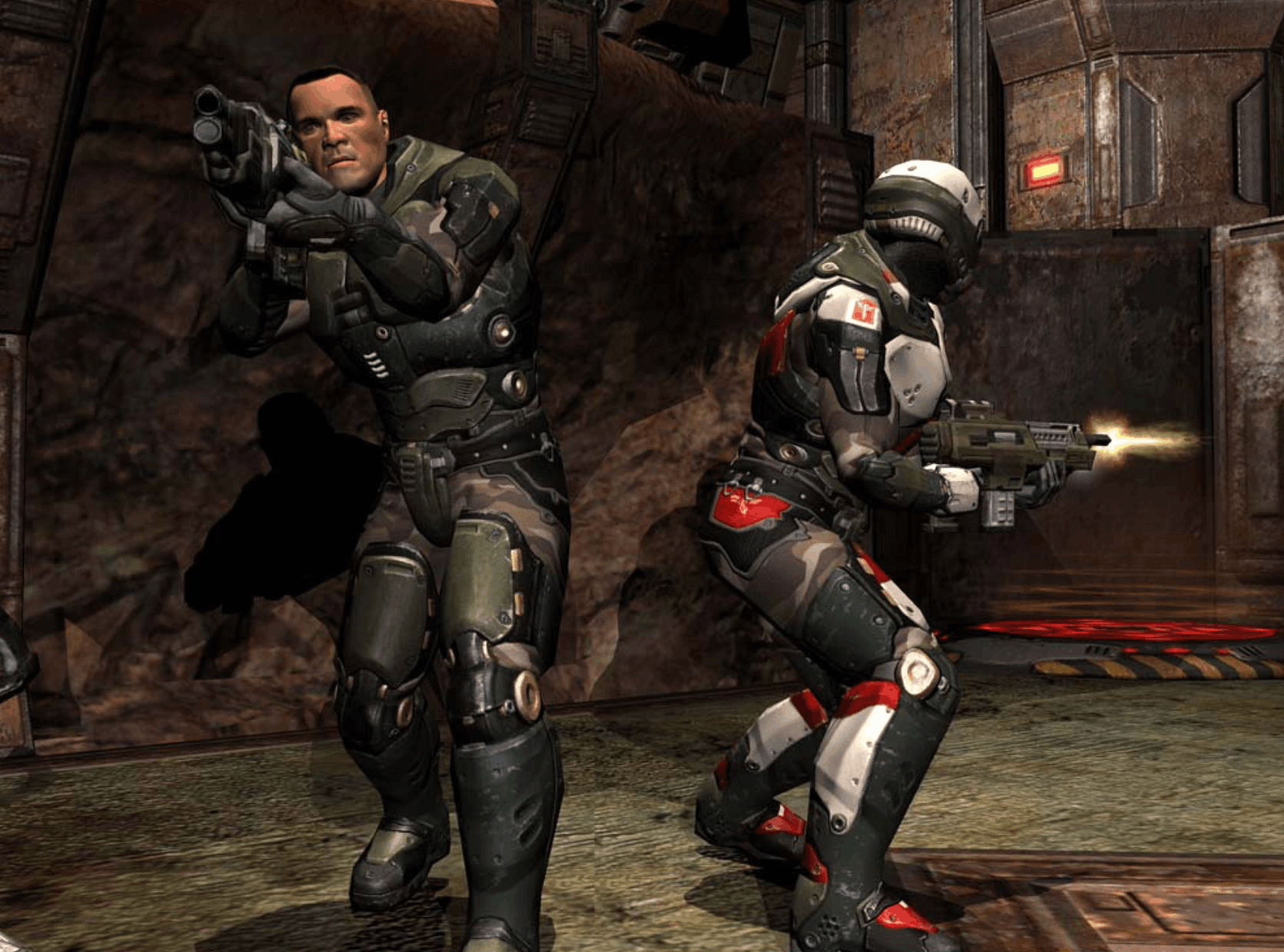
The Pioneers: Quake, Counter-Strike, and the Birth of a Legacy
In 1996, the gaming landscape was vastly different. Most games had a shelf life of just three to six months before players moved on to the next big thing. id Software's Quake shattered that expectation. By releasing the dedicated server files, id Software empowered its community to host their own matches, maps, and mods. The result was revolutionary. Instead of fading away, Quake remained one of the most-played games in the world for over five years as a vibrant ecosystem of clans, leagues, and custom content flourished, all hosted on servers run by the players themselves.
This trend was supercharged by the original Counter-Strike. As a mod for Half-Life, its extreme popularity was driven almost entirely by the community's ability to host private servers using official tools. Around the same time, Blizzard's Battle.net for games like StarCraft and Warcraft II, while more of a centralized matchmaking service, highlighted the immense appetite for community-centric online play, setting the stage for what was to come.
The Unofficial Uprising: A Clear Sign of Player Demand
The 2000s saw the rise of Massively Multiplayer Online games (MMOs), which were built on a First-Party Game Server (FPGS) model. Studios kept tight control over the game world, but a significant portion of the player base grew restless with this rigid approach.
This led to the explosion of unofficial "private servers" for games like MapleStory, Habbo Hotel, RuneScape, and World of Warcraft. While these servers were unofficial and often infringed on the developer's legal rights, their immense popularity sent a clear message: players craved the freedom to play the game their way. They wanted to create custom experiences, preserve older versions of the game they loved, and build communities outside the developer's direct control.
The game industry eventually listened. The ultimate validation of this demand is that every single one of these games now has an official "classic" version that mirrors the era when private servers were most popular: WoW Classic, Old School RuneScape, Habbo Hotel: Origins, and MapleStory's classic worlds. The players' desire for ownership and control was so strong that it reshaped the business models of some of the largest games in the world.
The Minecraft Phenomenon: POGS Go Mainstream
If earlier games laid the groundwork, Minecraft built a global empire on the foundation of POGS. As the best-selling video game of all time, its growth is inextricably linked to its player-hosted servers. Mojang gave players the server files, and the community responded by creating tens of millions of worlds, each a unique hub for creativity and social connection.
I'm a testament to this myself. The only reason I bought Minecraft was because a friend started a server, and I purchased the game just to join them. That same night, captivated by the possibilities, I started my own server. This story has been repeated millions of times over, forming the most powerful viral marketing loop the industry has ever seen.
This ecosystem gave rise to colossal server networks like Hypixel, which became so successful that its creators founded their own studio, Hypixel Studios, to develop Hytale, a highly anticipated game built from the ground up on the very POGS principles that defined their success.
The Modern POGS Renaissance
Today, the POGS model is more powerful than ever. Rust, with over 20 million copies sold, has mastered this concept. Its "wipe" system, where servers are periodically reset, is a genius implementation for player longevity, triggering thousands of new server starts every cycle as players rush to experience a fresh world.
The modern era is defined by studios recognizing the power of these communities. Rockstar Games, a titan of the industry, acquired CFX.re, the team behind FiveM and RedM, the largest community-run server frameworks for GTA V and Red Dead Redemption 2. When even the biggest players are acquiring what were once unofficial POGS communities, the value proposition is undeniable.
This strategy continues to fuel incredible success stories:
- Valheim sold 5 million copies in its first month.
- Palworld sold 8 million copies in its first six days.
- Terraria, V Rising, 7 Days to Die, Necesse, and The Lord of the Rings: Return to Moria are all recent examples of games that exceeded expectations, powered by the viral growth and long-term engagement that only a POGS model can provide.
The Future is Player-Owned
The history is clear. From the earliest days of online gaming to the biggest modern hits, empowering players with ownership has consistently proven to be a winning strategy. The benefits for studios - reduced costs, viral marketing, long-term revenue, and deep community engagement - are simply too significant to ignore.
As a game developer, supporting a POGS model is one of the most effective decisions you can make to ensure your game's long-term success.
For a comprehensive overview of the advantages, read our guide on the benefits of Player-Owned Game Servers.