
Choosing a multiplayer server architecture is one of the most consequential decisions in game development. It fundamentally shapes your game's cost structure, player experience, and community potential. The three primary models - First-Party Game Servers (FPGS), Peer-to-Peer (P2P), and Player-Owned Game Servers (POGS) - each offer a distinct set of advantages and disadvantages. This guide provides a balanced comparison to help you choose the right tool for the job.
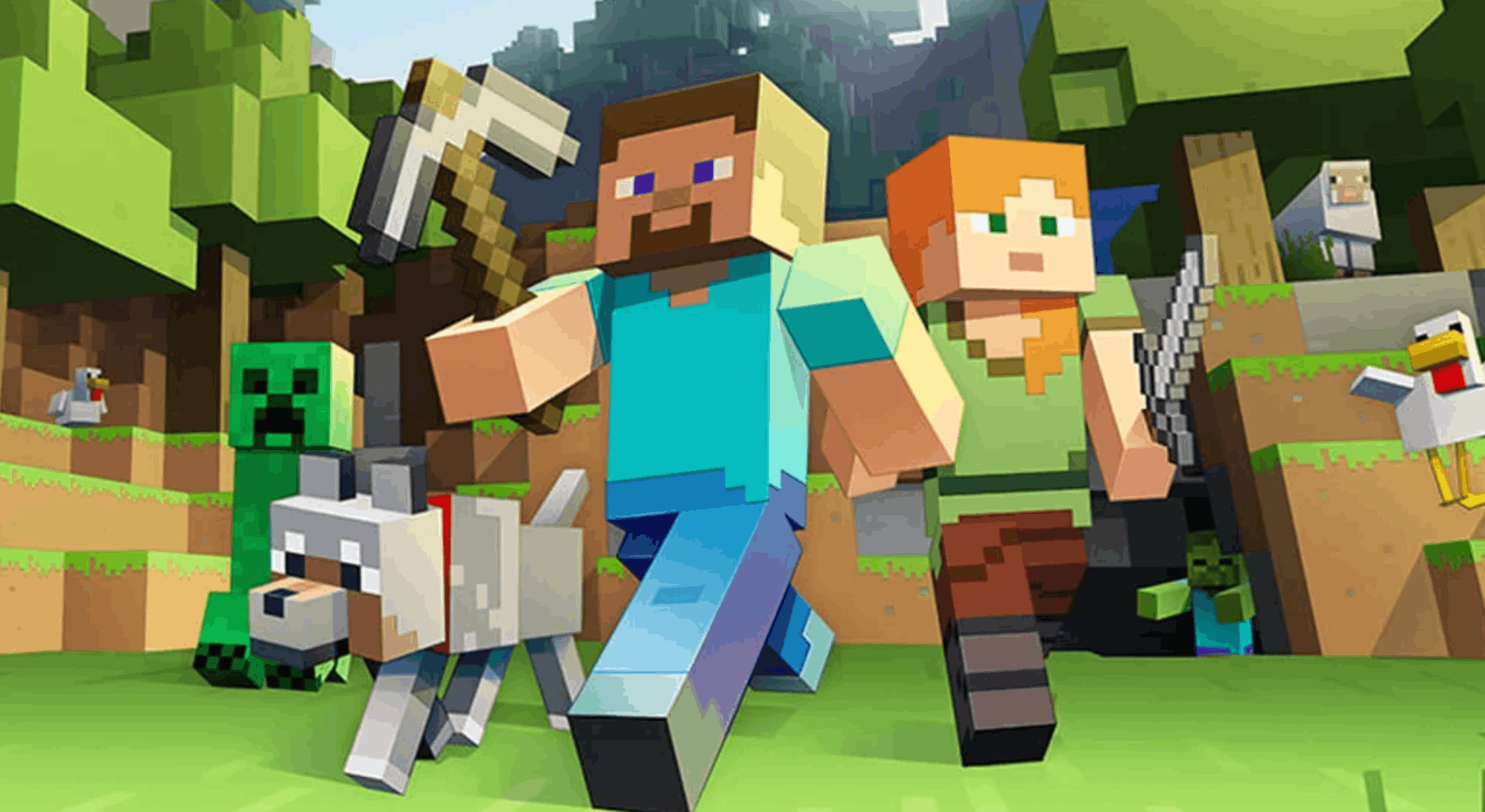
First-Party Game Servers (FPGS): The Centralized Model
In the FPGS model, the game developer or publisher exclusively owns, operates, and manages all game servers. This centralized, "walled garden" approach offers the highest degree of authority over the game world and represents the traditional standard for online titles requiring strict control and a consistent experience across the entire player base.
- Strengths:
- Absolute Control and Consistency: FPGS provides unparalleled command over the game environment. Developers can enforce a uniform ruleset, manage updates seamlessly, and deploy hotfixes instantly, ensuring every player experiences the game exactly as intended.
- Competitive Integrity & Security: This model is essential for competitive games. It guarantees a level playing field by eliminating host advantage and allows for robust, server-authoritative anti-cheat measures to be integrated directly, ensuring fair play.
- Unified Player Experience: All players exist within one official ecosystem, simplifying matchmaking and enabling large-scale, developer-run global events.
- Weaknesses:
- Prohibitive Operational Costs: The financial burden of a global server infrastructure, bandwidth, and a 24/7 technical operations team is immense and ongoing. This high cost often necessitates aggressive monetization strategies (like battle passes or microtransactions) just to remain profitable.
- Limited Customization: This model restricts community-driven creativity and player control. Since the experience is entirely dictated by the developer, it can stifle modding and prevent players from tailoring their gameplay, a major drawback for certain genres.
- Best For: Competitive esports titles (Valorant, League of Legends, Overwatch), large-scale Massively Multiplayer Online Games (MMOs) with a single, contiguous world (Final Fantasy XIV, New World), and any game where absolute security, strict anti-cheat enforcement, and a uniform, curated player experience are paramount.
Peer-to-Peer (P2P): The Quick & Simple Connection
The P2P model forgoes dedicated servers entirely. Instead, one player's game client acts as the host for a small, temporary session.
- Strengths:
- Zero Server Cost: This is the cheapest model for developers, as there is no server hardware to purchase or maintain.
- Simple Implementation: For games with small player counts and no need for persistence, P2P can be the simplest architecture to implement.
- Low Latency (in ideal conditions): When players are geographically close, a direct connection can result in very low ping times.
- Weaknesses:
- Instability: The entire game session depends on the host's internet connection and hardware. If the host quits, the game often ends for everyone.
- Host Advantage & Security: The host inherently has a latency advantage, making P2P unsuitable for competitive games. It also exposes player IP addresses to each other.
- Lack of Persistence: P2P is session-based and cannot support a persistent world that stays online 24/7.
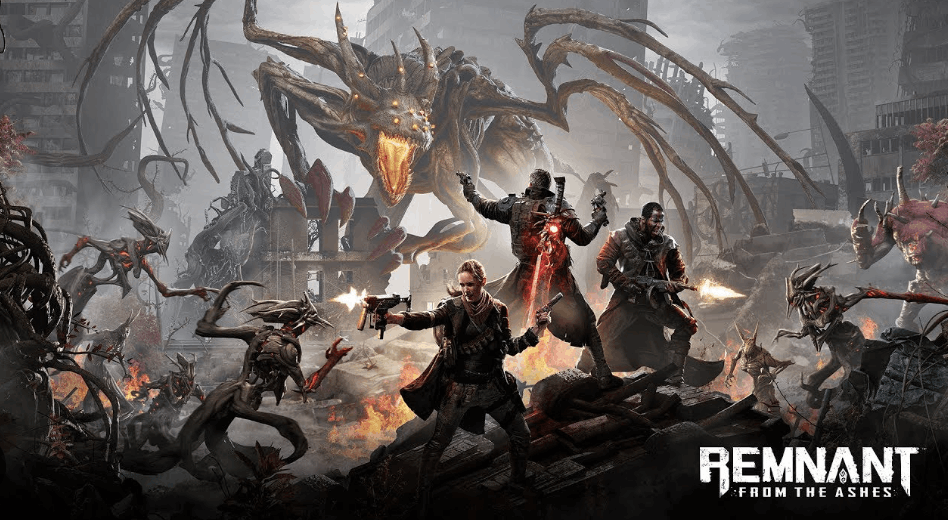
- Best For: 1v1 fighting games, small-group co-op campaigns (Remnant: From the Ashes), and games where budget is the primary constraint and persistence is not required.
Player-Owned Game Servers (POGS): The Community-Powered Ecosystem
In the POGS model, the developer officially releases the dedicated server files, empowering players or third-party Game Server Providers (GSPs) to host the servers. This creates a decentralized, community-driven network that leverages player enthusiasm to scale and diversify the game experience, shifting servers from an operational cost to a community asset.
- Strengths:
- Reduces Developer Costs: POGS removes the need for studios to fund and maintain their own global server infrastructure. This operational expense is handled by the players or GSPs who wish to host a server, freeing up studio resources for core development.
- Enables Viral Marketing & Scalability: Server owners act as brand ambassadors, inviting friends to their communities, which directly drives game sales. The server network scales with player demand, as new servers are created by the community in regions where they are most needed.
- Creates New Revenue Streams: This model can generate revenue through profit-sharing agreements with GSPs or by supporting in-game marketplaces. This turns servers from an expense into a potential profit center and ensures the game can be played long after official development ends.
- High Community Engagement & Customization: This model fosters player investment by giving them direct control to configure game settings, install mods, and set performance options. This creates tailored experiences that drive replayability and long-term loyalty.
- Considerations:
- Varied Player Experience: With many community-run servers, the gameplay experience can vary based on admin choices, leading to a less uniform environment than FPGS.
- Reliance on Admin Moderation: Community-run servers require admins to moderate their own spaces. Developers should consider providing tools and guidelines to support a positive environment.
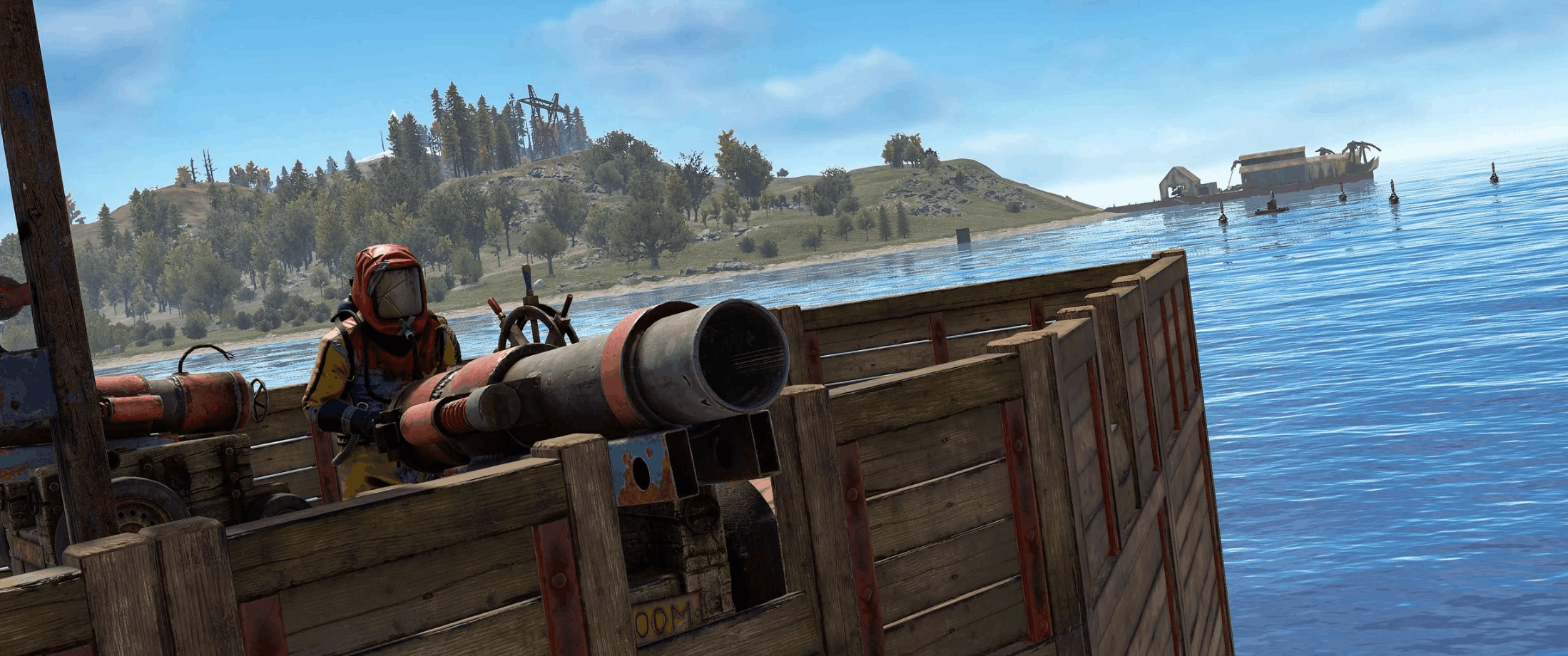
- Best For: Survival games (Rust, Valheim), creative sandbox games (Minecraft), co-op PvE experiences (Terraria, 7 Days to Die), simulation games, role-playing servers, and any game where community creativity, deep customization, viral growth, and long-term replayability are core pillars.
Conclusion: Matching the Model to Your Vision
There is no single "best" server model. The right choice for your game depends on its genre, your budget, and your long-term goals for the player community. However, it's critical to thoroughly evaluate each option against your vision.
While FPGS offers total control for highly specific, competitive scenarios, its substantial ongoing costs can lead to monetization pressures that alienate players. P2P offers an easy, low-cost entry for temporary sessions, but its limitations in persistence, stability, and fairness make it unsuitable for many game types.
Player-Owned Game Servers (POGS), while requiring a dedicated server build (similar to what FPGS also requires), offers a compelling balance of benefits. Its ability to drastically reduce developer costs, cultivate powerful viral marketing, and foster unparalleled community engagement makes it a strong contender for a wide of genres, from survival and sandbox games to co-op adventures and RPGs. The initial investment in a robust POGS implementation can easily yield exponential returns in player longevity and revenue generation.
For many games, especially those valuing community, creativity, and long-term sustainability, the POGS model is not just an alternative - it's a strategic advantage that deserves careful consideration.