
All Resources
Browse all our posts about player-owned game servers
Game Design
Achieving Game Longevity with Player-Owned Servers
Every studio dreams of a blockbuster launch: servers packed, social media buzzing, and sales exceeding all expectations. Yet, for many multiplayer games, this triumphant peak is immediately followed by a steep and painful decline. Player counts can plummet just weeks after launch, leaving studios with a difficult dilemma. The massive,
Intro to Pogs
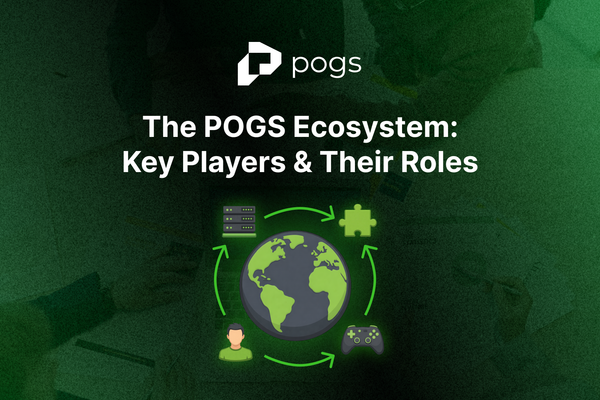
The POGS Ecosystem: Key Players & Their Roles
The Player-Owned Game Server (POGS) model thrives on a dynamic ecosystem of interconnected entities, each playing a vital role in creating a vibrant and self-sustaining community. Understanding these key players is essential for any developer considering or operating within a POGS strategy. Key Players in the POGS Ecosystem 1. Game
Intro to Pogs
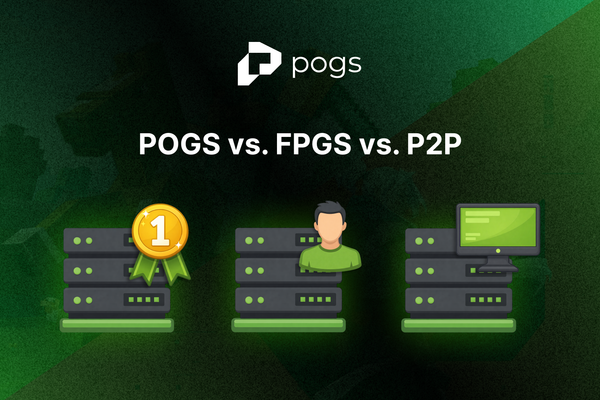
POGS vs. FPGS vs. P2P: Choosing the Right Server Model for Your Game
Choosing a multiplayer server architecture is one of the most consequential decisions in game development. It fundamentally shapes your game's cost structure, player experience, and community potential. The three primary models - First-Party Game Servers (FPGS), Peer-to-Peer (P2P), and Player-Owned Game Servers (POGS) - each offer a distinct
Intro to Pogs
A Brief History of POGS: From Quake to Minecraft
The recent viral success of games like Palworld and Valheim might seem like a new phenomenon, but the strategy that powered their growth is decades old. Player-Owned Game Servers (POGS) have a rich and storied history of transforming games from fleeting hits into cultural mainstays. This historical deep dive explores
Intro to Pogs
What are Player-Owned Game Servers? (POGS)
See how games like Palworld & Minecraft empower players to host Player-Owned Game Servers (POGS), reducing studio costs, boosting revenue, and building hyper-engaged communities. Learn why POGS are essential for your game's success.