
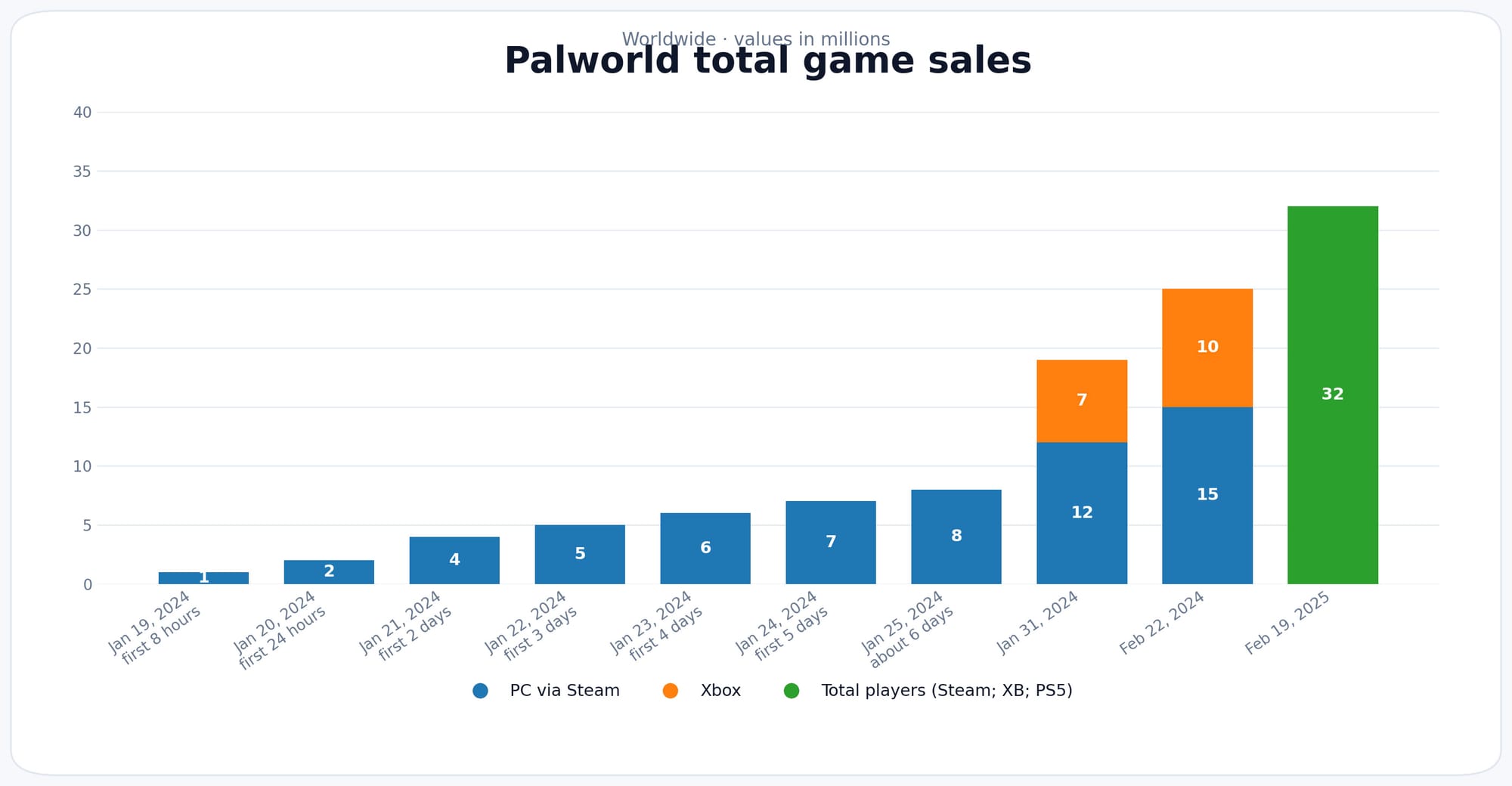
In early 2024, a new game called Palworld sold over 8 million copies in its first six days. Years earlier, Valheim sold 5 million copies in its first month. These seemingly overnight successes weren't just a matter of luck; they shared a common, powerful, and often underestimated feature: Player-Owned Game Servers (POGS).
This model, where studios empower their players to host their own gaming worlds, is one of the most effective strategies for achieving viral growth, building deeply invested communities, and extending a game's lifespan indefinitely. This article explores what Player-Owned Game Servers are, how they work, and why they are a critical tool for modern game development.
What Exactly Are Player-Owned Game Servers (POGS)?
At its core, the POGS model is simple: the game developer officially packages and releases the dedicated server software for their game.
Players can then download these server files and run them on their own hardware or rent a server from a specialized hosting company. Other players can then join this server directly, usually by entering its unique IP address in the game client.
This is fundamentally different from other models:
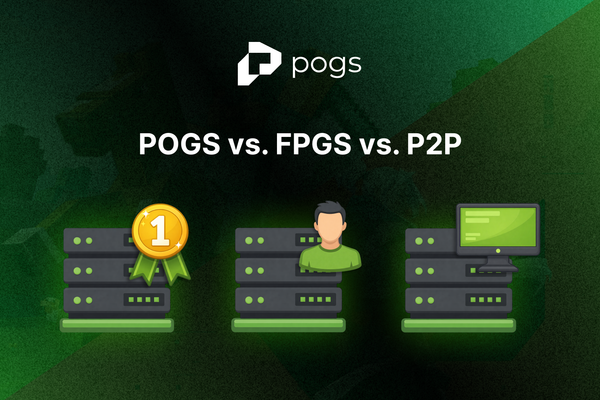
- First-Party Game Servers (FPGS): In this model, the studio hosts and manages all the servers directly. This offers maximum control and a consistent experience but incurs significant ongoing infrastructure and operational costs for the studio.
- Peer-to-Peer (P2P): One player's machine acts as the host. This is cheap but often results in lag, host advantage, and instability if the host player leaves.
- Unofficial "Private Servers": These are typically reverse-engineered from a game's code without permission, often infringing on copyright and associated with piracy.
Official POGS are an approved, strategic partnership between the studio and its community, turning players from passive consumers into active participants in the game's ecosystem.
The Blueprint for Viral Growth: From Quake to Minecraft
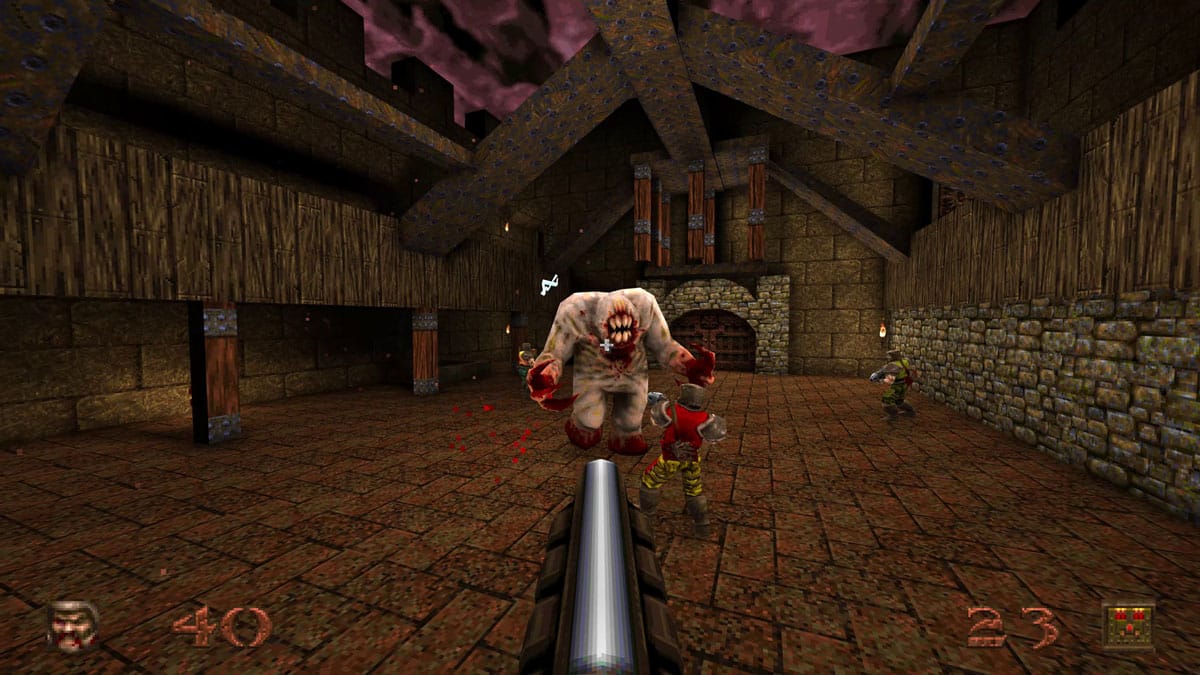
The POGS model isn't new. Its power has been proven time and again. In the late 90s, games like Quake gave players the ability to run their own "dedicated servers," leading to the birth of competitive clans and custom game modes that kept the community thriving for years.
However, no game illustrates the power of POGS better than Minecraft. Minecraft's meteoric rise is inseparable from its player-hosted servers. The studio provided the server files, and the community did the rest, creating a limitless universe of experiences. Massive server networks like Hypixel emerged, acting as full-fledged gaming platforms within Minecraft itself, offering dozens of unique mini-games and supporting millions of players. The creators of Hypixel are now developing Hytale, a standalone game built from the ground up on the same POGS principles that made their Minecraft server a phenomenon.
This reveals the core viral growth loop of the POGS model:
- Investment: A player or group decides to start their own server. They are now financially and emotionally invested in its success.
- Invitation: To get people to play on their server, they become brand ambassadors, inviting their friends to join.
- Acquisition: Those friends must purchase the game to play, driving sales for the studio.
- Community: A new micro-community is formed, with the server owner at its center, fostering deep social connections and keeping players engaged for the long term.
The Modern POGS Renaissance: Valheim and Palworld
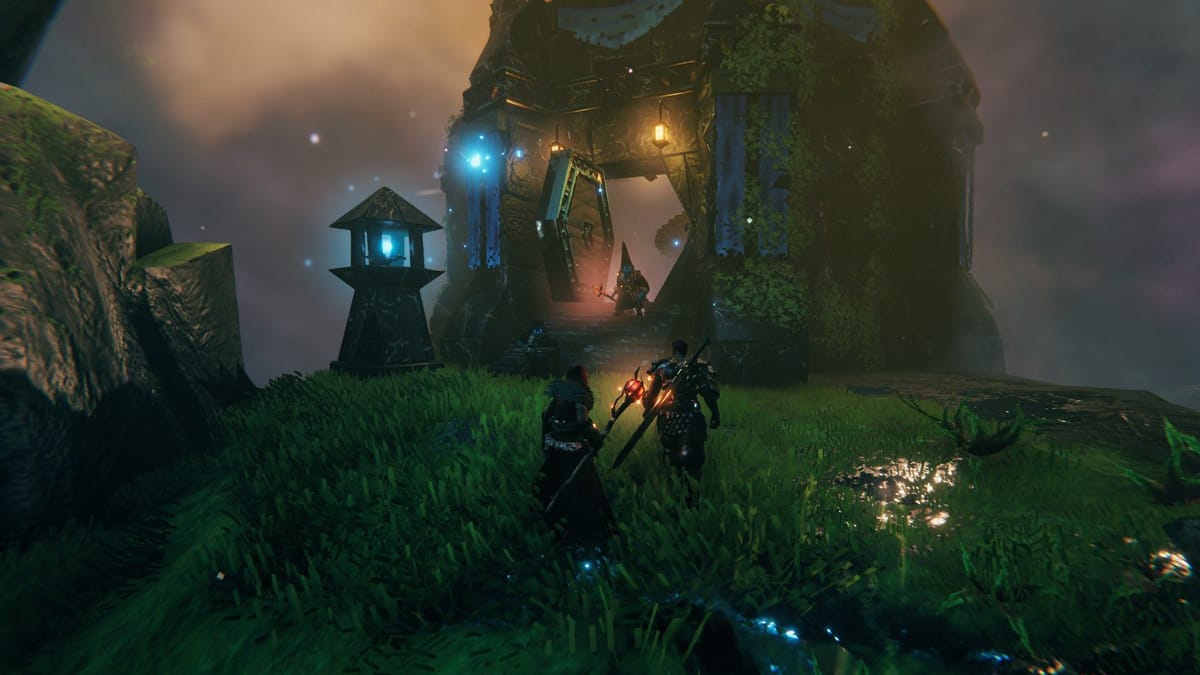
The explosive launches of Valheim and Palworld prove that this model is more relevant than ever. Their massive, sudden success would have been an infrastructure nightmare for a centrally-hosted model. With POGS, the demand for servers was met instantly and automatically by the player base itself.
As player counts surged into the millions, thousands of new servers were spun up by players and hosting providers around the globe. This decentralized, grassroots scaling is something no central server architecture could ever hope to match, all while costing the studios virtually nothing in infrastructure.
The Role of Game Server Providers (GSPs)
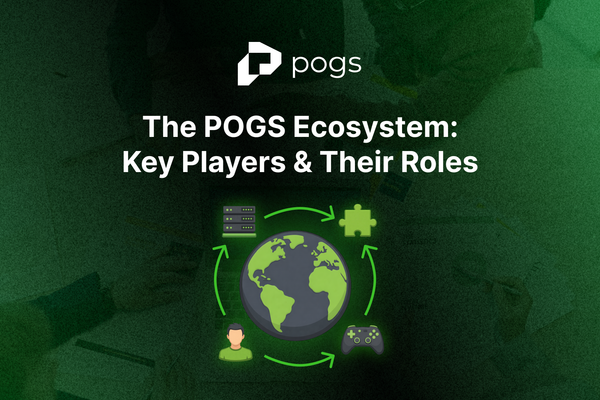
While some tech-savvy players host servers on their own hardware, the vast majority rent them from Game Server Providers (GSPs). These specialized hosting companies are a vital part of the POGS ecosystem, making it accessible to everyone.
GSPs create a better, more seamless experience for players by providing:
- Accessibility: Instead of complex command-line tools, players get user-friendly control panels to install, manage, and configure their servers with a few clicks.
- Performance: GSPs have data centers across the globe, allowing players to rent a server close to their physical location for the lowest possible latency.
- Tailored Support: GSPs offer customer support specifically for hosting that game, helping players with setup, mods, and performance issues. Good GSPs build control panels uniquely designed to support a game's specific features, like viewing the in-game map or easily editing configuration files.
For studios, GSPs are a powerful channel for distribution and partnership. A deeper look into the relationship between studios and GSPs is a topic we will explore in a future article.
The Benefits of a Player-Owned Ecosystem
Adopting a POGS strategy offers clear and compelling benefits for both the studio and the players.
For Game Studios:
- Reduced Costs: Shifting the financial burden of server hosting to the community.
- New Revenue Streams: Opportunities for profit-sharing agreements with GSPs.
- Viral Marketing: An army of server owners acting as invested brand ambassadors.
- Extreme Scalability: The server network grows organically with the player base.
For Players:
- Total Control: The freedom to customize the game world, install mods, and create unique experiences.
- Better Performance: The ability to choose a server host in their region for low latency.
- Stronger Communities: Building deep social connections in a self-governed space.
- Longevity: Games remain playable for years, even after official support ends.
For a more detailed breakdown of these benefits, see our guide on the topic.
Conclusion: A Partnership for Success
Player-Owned Game Servers are more than just a technical feature; they are a strategic framework for building a successful, sustainable, and community-driven game. By releasing the dedicated server files, studios enter into a partnership with their players - a partnership that fosters creativity, drives viral growth, and ensures a game can be enjoyed for years to come.
In our upcoming articles, we will dive deeper into the technical and business specifics, including working with GSPs, how to structure a partnership program, and how to design your game for a POGS-first world.